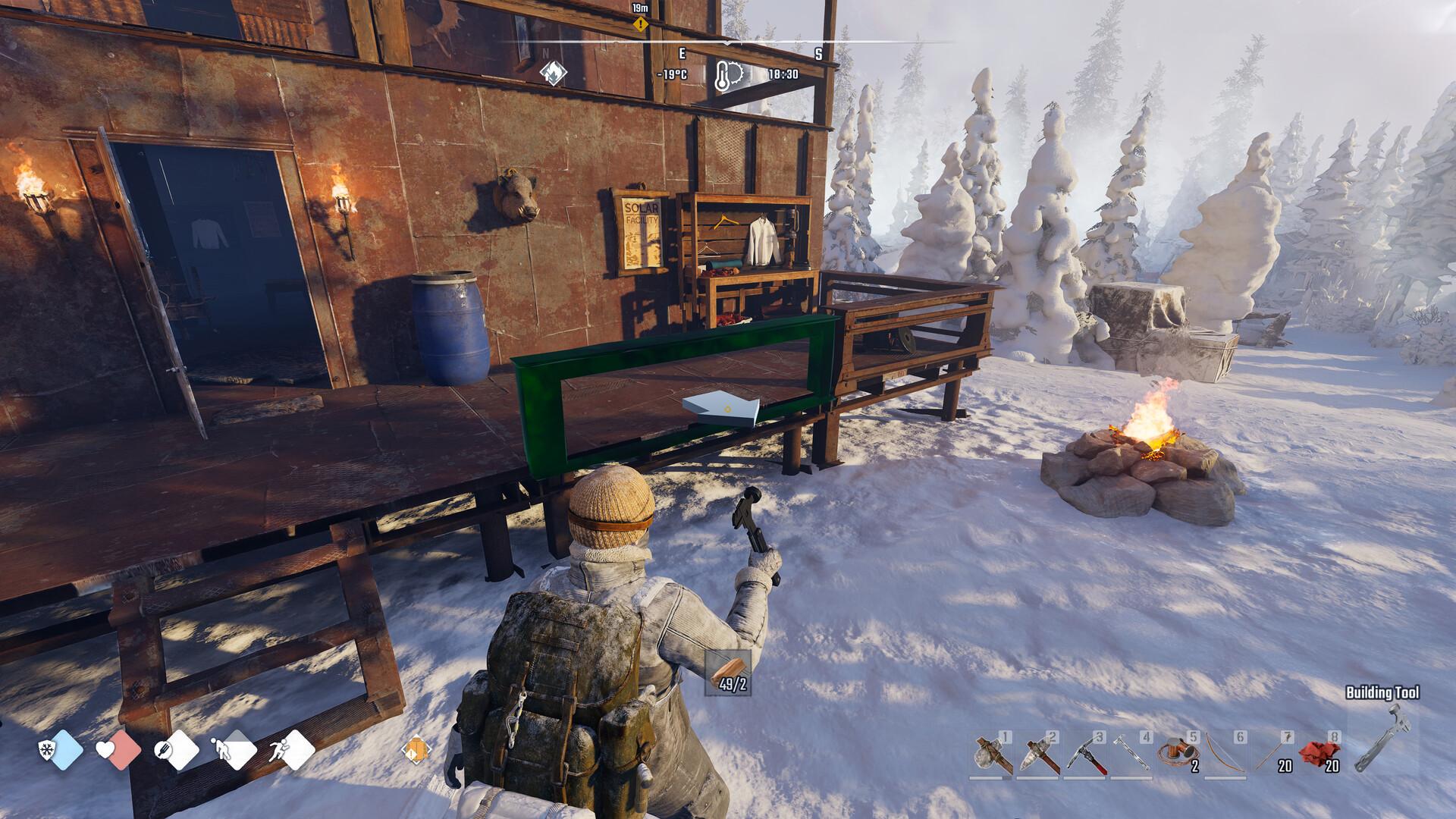
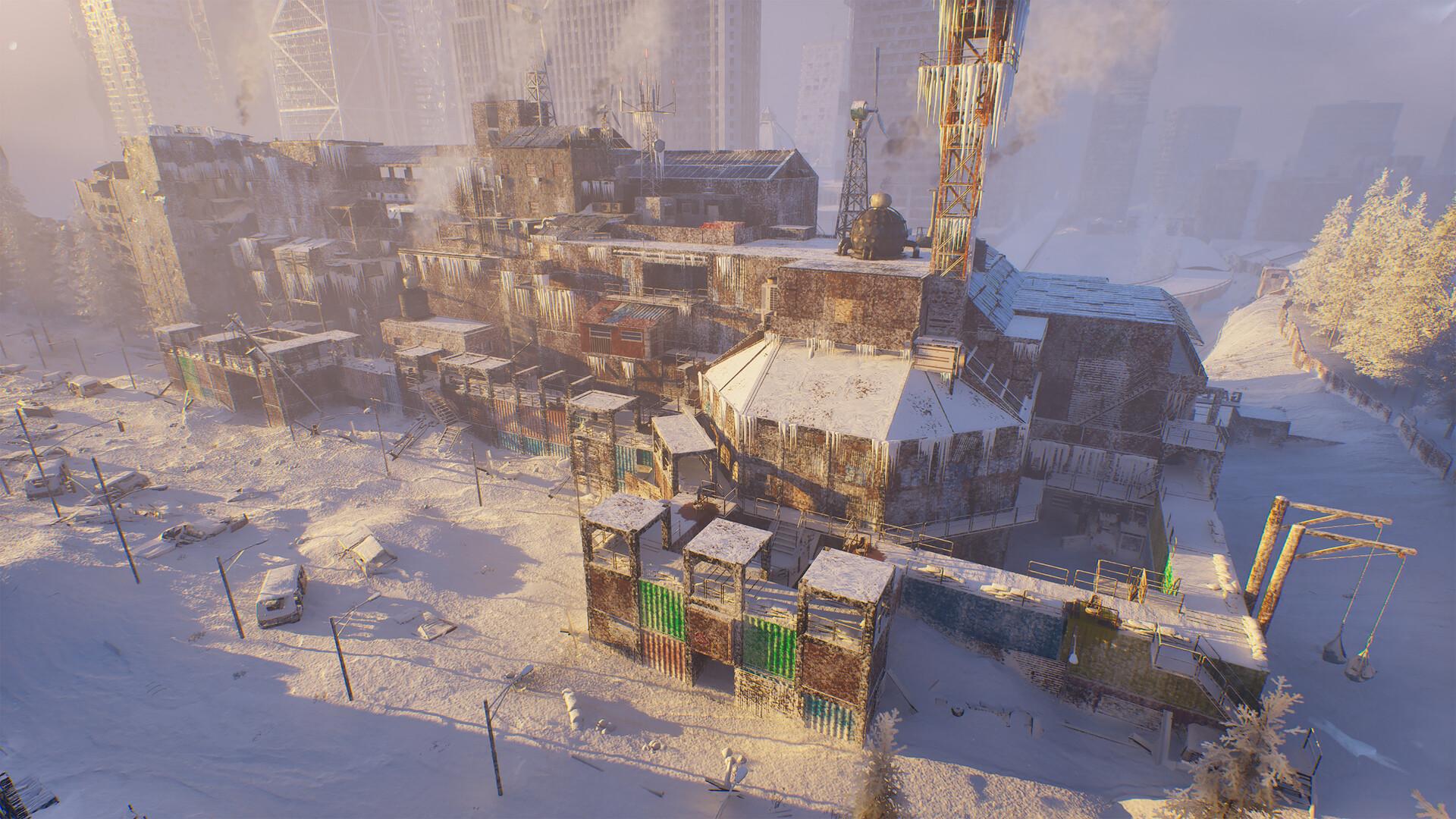
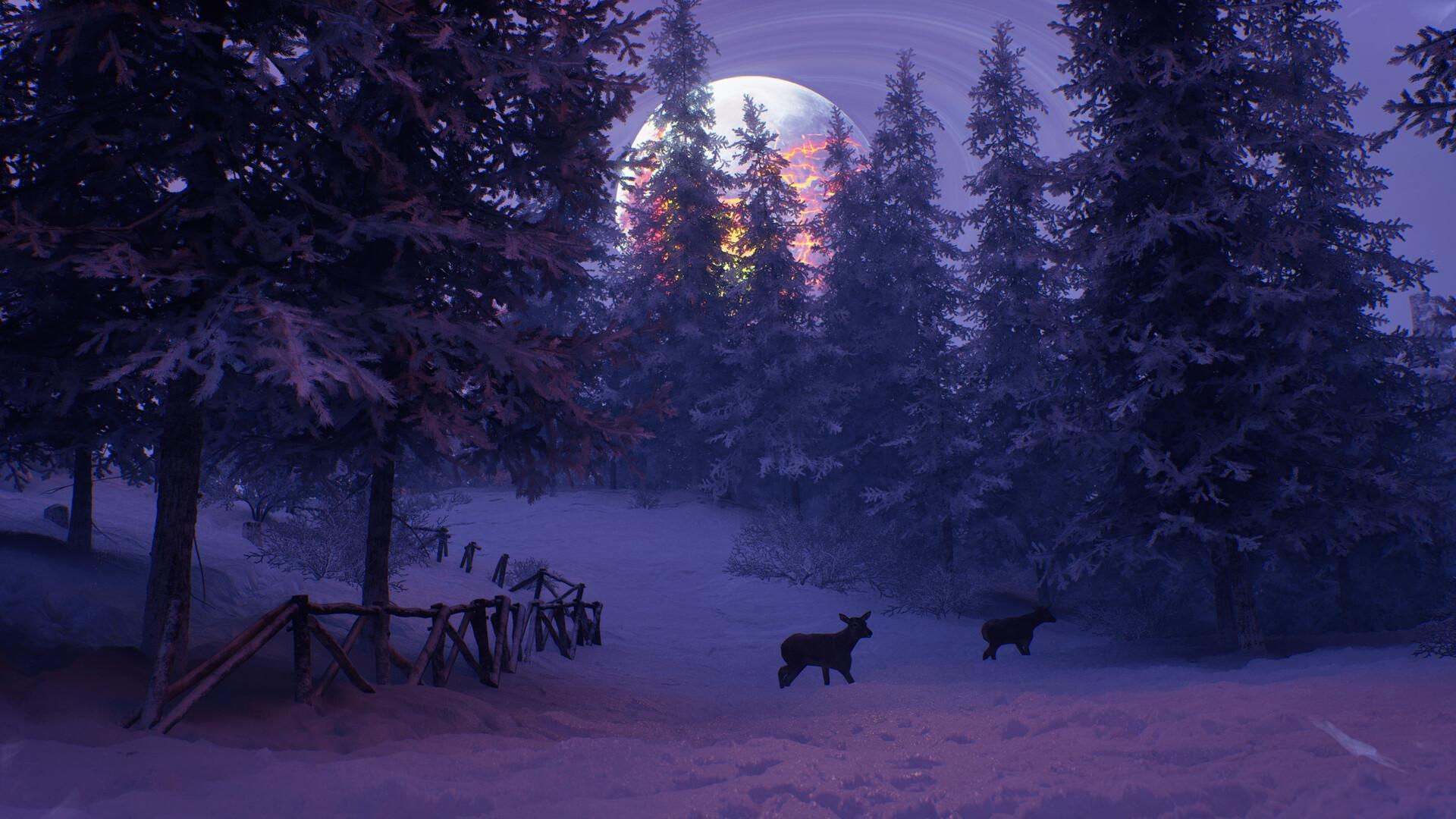
Stay warm by keeping a heat source close and putting walls and a roof around it, because a fire inside a shelter is far stronger than one in the open. Wear the best insulated clothing you can craft, carry portable heaters for long trips, and drink tea or coffee to push Body Warmth back up. At night, in blizzards and inside Cold Zones a campfire may not be enough, so get into a shelter, tent or sleeping bag. If Body Warmth hits zero you get Hypothermia and start taking damage.
How Body Warmth works
The HUD shows two numbers that matter: the temperature around you and your own Body Warmth. When the area is colder than you can handle, Body Warmth falls, and the speed depends on your clothing. Heat sources and warming food raise it again.
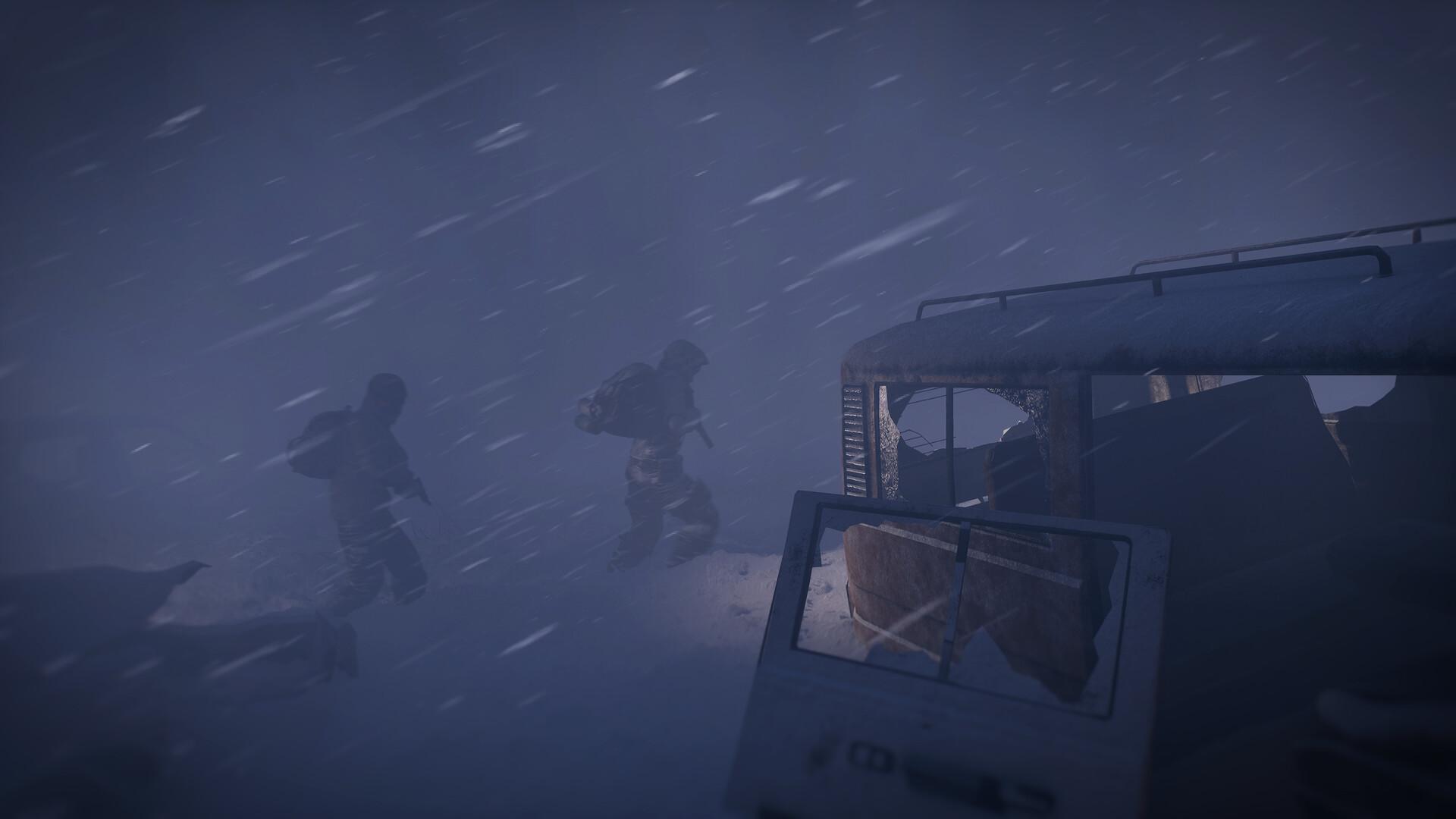
As you get colder, the game stacks warnings in a clear order. Low Temperature comes first, then Bone-Chilling Cold, which tells you to find shelter, and finally Hypothermia. Hypothermia deals damage based on the gap between your warmth and the temperature, so the colder the area, the faster you die.
The official tips video sums up the danger plainly: when the temperature drops, your health drains until you freeze. Reviewers describe the same pattern, with mild days early on and brutal cold once night or a storm arrives. Planning around time and weather is part of surviving.
Heat sources and where to put them
Your first heat source is a Campfire for 2 Stone, which also cooks food. Standing near a lit fire gives you the Warmed status and stops Body Warmth from falling. Later you can build braziers from Scrap and standing torches from Wood.
The official gear post describes the brazier as a small scrap structure that burns all kinds of fuel. Its advice is to warm up at one before heading into a Cold Zone. The same post introduces the Improvised Tent, a small resting place to recover and wait out the snowfall.
Placement matters more than the fire itself. Players on the official forum found that a brazier or campfire inside a building with walls and a roof can push the temperature into positive values. Caves and existing houses work too, as long as you get out of the wind.
The official forum account added an important warning for players who froze next to a fire. A campfire built inside a Cold Zone will not keep you alive, and at night or in a blizzard an open fire may not be enough. In that case, the advice is to get into shelter straight away and keep an eye on hunger while you warm up.
Clothing is your insulation
Every piece of clothing you wear adds thermal insulation, which slows how fast you lose warmth. Better clothing also decides which colder areas you can enter safely. Clothing wears out while you wear it, so repair it at the Repair Bench.
One reviewer put it simply: better clothing lets you survive colder areas for longer. Those harsher regions usually hold better resources and loot. Upgrading your outfit is therefore how you progress, not just how you stay comfortable.
Warm clothes come from the Tailoring Bench, which needs Copper Ingots, plus a Tanning Rack that turns pelts into Treated Hide and Cloth. Playtest footage shows players building the Tailoring Bench early and crafting a Tribal set of boots, cape, gloves, jacket and pants. A fan datamine of the preview build lists the progression below.
| Stage | Clothing | Notes from preview data |
|---|---|---|
| Early | Animal head hats (bear, fox, wolf) | Cloth plus a pelt |
| Early–mid | Tribal and Hybrid sets | Tailoring Bench |
| Mid | Insulated Mountain set | Cheapest truly warm set |
| Mid–late | Military set | Adds armor, needs Quality Metal |
| Endgame | Permafrost Armor set | Needs Moonrock Ingots |
Portable heaters and hot water bottles
For trips away from your base, worn heaters give you cold resistance. The preview data lists a Makeshift Heater, a Chemical Heater and an Electric Heater, each made from Cloth plus a second material. A hot water bottle is another wearable warmth item with its own durability.
The in-game hint is clear about their limit: heaters give cold resistance but do not last long, so bring extras. The official preparation video gives the same advice, listing warm clothes, food, a tent, ammunition and heaters before any trip. One main quest is even built around finding a better heater before crossing a cold area.
Warm food and drink
Some food and drink restore Body Warmth directly. Improvised Tea and Improvised Coffee are hand-crafted drinks that warm you up, and the Warming Dish is a cooked meal of meat and potato. These are worth carrying on any long trip.
Avoid alcohol as a way to warm up. Drinks like vodka add a little warmth but apply the Drunk status, which disrupts temperature regulation. Use alcohol only for its other purpose, which is treating Parasites and infected wounds. For more on drinks, see how to get water.
Surviving Cold Zones
Cold Zones are blue, freezing areas that the official Steam posts describe as colder than anything else on the map. They drain heat, energy and stamina in seconds, and you cannot build inside them. Players on the forum reported temperatures of around -60 °C in these zones.
The reward is the best loot in the game, including rare materials and old technology. Go in with portable heaters, upgraded thermal clothing and crafted heat packs, and never stay longer than you need. Warm up at a brazier first, loot fast and leave before your warmth runs out.
Shortly before launch the developers added a new Cold Zone effect and eight more valuable items to find inside them. A fan map of the preview build marks dozens of Cold Zones across the world, including one around a water tower. Some can be entered briefly for loot, while others clearly expect you to come fully prepared.
Plan around night and storms
Night is much colder than day, and storms cut visibility while dropping the temperature further. If you are caught outside, a tent or sleeping bag is safer than a lone campfire. One playtester pointed out that a normal daytime -13 °C is actually a mild day by the game's standards.
Your bed helps here too, because resting in it lets you skip a dangerous night. Build your base early so you always have a warm place to retreat to. The beginner guide covers the first shelter and bed in detail.
A quick warmth checklist
Run through this list before every trip away from your base. It follows the official preparation advice and the lessons players shared during the playtest. Turning back early is always better than freezing far from home.
- Wear your warmest clothing and repair worn pieces first.
- Pack spare heaters, tea or coffee and some cooked food.
- Carry 2 Stone and Wood for an emergency campfire.
- Bring a tent or know where the nearest shelter is.
- Check the time; head home before night or a storm.
Built from official Steam posts on Cold Zones and gear, official replies on the Steam forum, official tips videos, and playtest footage from October 2026. Clothing tiers come from a fan datamine of preview build 0.44.2 and may change. Last updated: October 8, 2026.
Sources
References and further reading for this article.